News & Reviews News Wire Kentucky coal miners end protest; loaded coal train sits in place NEWSWIRE

Kentucky coal miners end protest; loaded coal train sits in place NEWSWIRE

By Chris Anderson | September 30, 2019

| Last updated on November 3, 2020


Get a weekly roundup of the industry news you need.

MinersstrikeTWO
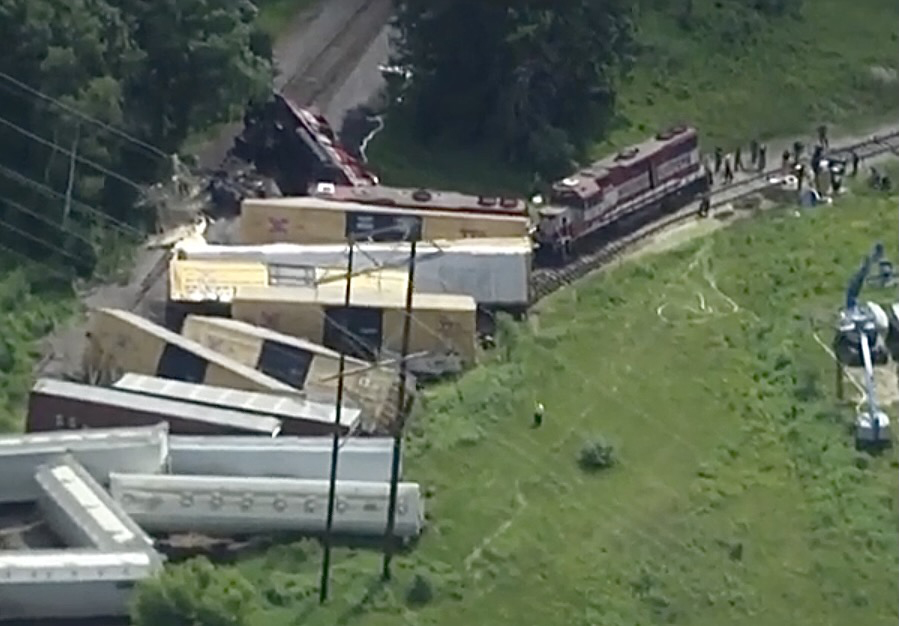
THE coal train that Kentucky coal miners prevented from leaving the mine until they were paid back wages. The strike ended in the last week of September, but the train remains. The train, and miners’ pay, are now the subject of negotiations in bankruptcy proceedings for the Blackjewel corporation.
Chris Anderson
CUMBERLAND, Ky. — A protest by out-of-work and unpaid coal miners in Kentucky who blocked a CSX Transportation coal train from leaving a mine has ended. Yet, the disposition of the affected train remains uncertain.

WYMT-TV in Hazard, Ky., is reporting that the protest by coal miners left out of work and unpaid in the wake of the high-profile bankruptcy of coal-producing giant Blackjewel Mining ended late last week when the remaining protestors gave up on the demonstration after nearly two months of picketing. The miners were protesting by blocking a CSX coal train from leaving the Clover Fork No. 3 mine near Cumberland, in Harlan County, Ky., which they claim is loaded with coal they worked to produce, but were left uncompensated for when their final paychecks bounced in the wake of the bankruptcy filing.

The approximately 80-car coal train the miners blocked from leaving the mine, which rests at the end of CSX’s former L&N Poor Fork Subdivision, is still at the mine. A representative from CSX tells Trains News Wire that the railroad will wait to attempt to move the train.

“At this point, CSX is awaiting the conclusion of the legal proceedings in this matter before making any determination about moving the coal,” said CSX Media Relations Director Cindy Schild. The demonstration blocking the train began July 29. The miners, on the condition the railroad leave behind the loaded coal train, made way shortly after the protest began to allow CSX to retrieve the two diesels which were on the train.

The demonstration ended quietly on Sept. 27 when the remaining protestors, former Blackjewel miner Chris Rowe and his wife Stacy, left the protest site after Rowe accepted a job as a truck driver, WYMT reports. The protest had grown smaller over time as many of the affected miners took other jobs or sought retraining for other trades. At its peak, the protest featured dozens of former Blackjewel miners, who received donations and support from across the country. In a previous interview, the miners said CSX employees had expressed support for their protest, but they could not specify whether that support was from local railroad employees or from CSX’s corporate offices in Jacksonville. The miners also said CSX had made no other attempts to move the coal after it successfully retrieved its diesels.

The disposition of the coal in the train affected by the protest could be determined in bankruptcy court. After the U.S. Department of Labor filed briefs claiming the coal loaded in the train constitutes “hot goods” since the miners who produced it have not been paid, a federal judge in West Virginia ordered, in mid-Septbember, that the labor department and Blackjewel were to enter into confidential negotiations, with the affected train and the unpaid miners’ compensation to be subject in those negotiations. The “hot goods” filing effectively stopped the movement of Blackjewel-produced coal for which miners may not have been paid. According to a West Virginia Public Radio report, a final deadline of Oct. 1 was set for the negotiations, and the judge anticipated “swiftly” reviewing the results and issuing a ruling soon after.

The former Blackjewel miners in Cumberland rejected an offer from the new owner of the Clover Fork No. 3 mine, KopperGlo Mining, in August which would have ended the protest then. The offer would have seen the miners paid an average of about $800 each toward their unpaid wages, some of which totaled more than $4,000.

Share this article