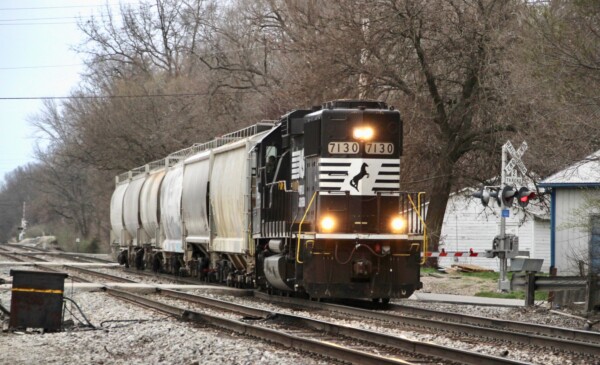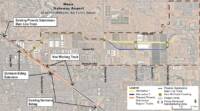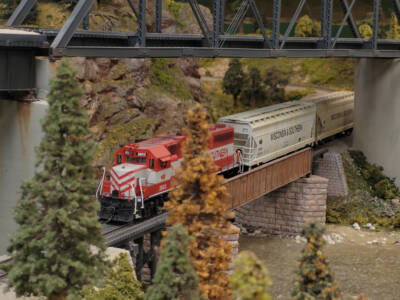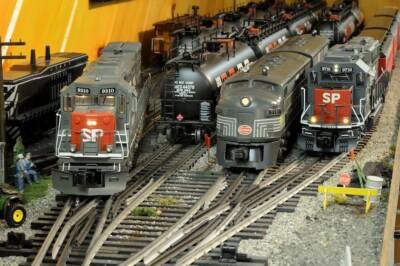

Facts and features Name: East Troy Industrial Park Scale: HO (1:87.1) Size: 14‘-2“ x 19‘-0” Prototype: freelanced industrial switching Era: present day Local: southeastern Wisconsin Style: around the walls Mainline run: 33 feet Minimum radius: 28“ (main), 18“ (spurs) Minimum turnout: No. 5 (main) Maximum grade: 1.5% at interchange Benchwork: L-girder Height: 42” Roadbed: cork […]
Read More…
Wisconsin & Michigan Model Railroad Club Display | Catch up with Host Gerry Leone, as he chats with Dave Rickaby, President of the Wisconsin & Michigan Model Railroad Club, at Trainfest 2025 in Milwaukee, Wisconsin! Dave shares details about their Midwest-based, Iron Range-themed HO scale modular layout. Founded in 1986, the club’s modules are built to […]
Read More…
Freight Car Class: Lesson 4, Airbrushing Techniques | Unlock the versatility of your airbrush to transform stock models into realistic, weathered railroad replicas! This segment of the freight car series shows you how to use an airbrush for effects like faded paint, dust, grime, and rust. Learn how to work your double-action airbrush, how to thin paint […]
Read More…
This end of year episode of Cody’s Office is packed with new products, a helpful modeling tip, and answers to viewer mail questions. Senior Editor Cody Grivno begins by showcasing the latest from Bachmann Trains–a Trinity 5161 cubic foot capacity, three bay covered hopper in HO scale, which retails for $59. Next, he spotlights the […]
Read More…
When I cut a hole in the living room wall in order to expand my N scale railroad into the hallway beyond, I thought that was as large a model railroad as I would ever own. I was just happy that my wife agreed to my bizarre suggestion (see “Harlowton, Montana, in N scale,” Model […]
Read More…
Freight Car Class: Lesson 3, Weathering with Pastels | Transform pristine products into well-weathered, prototypical models using various powdered pastel techniques! In this segment of the freight car series, you’ll learn how to apply powdered pastels with brushes, makeup applicators, and artist sponges to simulate realistic rust. Discover how to use two shades of rust pastel […]
Read More…
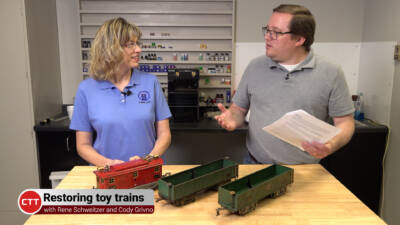
Dive back into the Olympia & Sand Creek On30 logging layout project with host David Popp! The resin water David poured in the previous episode has dried, but he hit a snag – a hazy surface on one section! David shares a fix for restoring the crystal-clear view and reveal the details (like those planted […]
Read More…
Welcome back to the East Troy Industrial Park Project – This episode is a scenic smorgasbord! Starting with the final touches on the weathered HO scale (1:87.1) bridge, you’ll learn the technique for affixing Monroe Models pastel weathering. Then, see how to populate the farm scene with cast-off details, like rusty barrels and a truck, […]
Read More…
Join Cody Grivno for the latest Sidetrack Series departure, as he dives into the detail work on his HO scale (1:87.1) depot structure roof and chimney! See how he uses paints to create realistic shingle highlights and weathering streaks. Then learn a handy trick for filling the gap between plastic parts. Cody also shares the […]
Read More…
Freight Car Class: Lesson 2, Upgrading Kits for Better Operation | In this lesson, David shares essential steps for upgrading your model’s operation and realism. First, you’ll learn how to use the NMRA recommended practice (ARP 20.1) to calculate the target weight for your car, and how to install a peel-and-stick weight to achieve that […]
Read More…
With the waterfall effects installed and cured, host David Popp is now ready to pour the Woodland Scenics Deep Pour Water (murky variety) on the Olympia & Sand Creek On30 logging layout! He shares how to add a splash of detail to scene, using Miniprints fish and fowl, plus a figure of a former Model Railroader […]
Read More…
Facts and features Name: Green Mountain Division of the Boston & MaineScale: HO (1:87.1)Size: 12′-8″ x 20′-0″ plus 12′-0″ x 30′-0″ additionPrototype: Boston & Maine, Central Vermont, and RutlandLocale: VermontEra: 1950 to 1958Style: Around the wallsMainline run: 120 feet (original), 70 feet (extension)Minimum radius: 28″Minimum turnout: Hand built to fit, most no. 6 with no.4 […]
Read More…