




The Pennsylvania’s giant Broad Street Station in Center City Philadelphia suffered a major fire on June 11, 1923. Train service was quickly restored, but the 16-track trainshed had to be removed. PRR photo […]
Pennsy’s Broad Street Station on fire
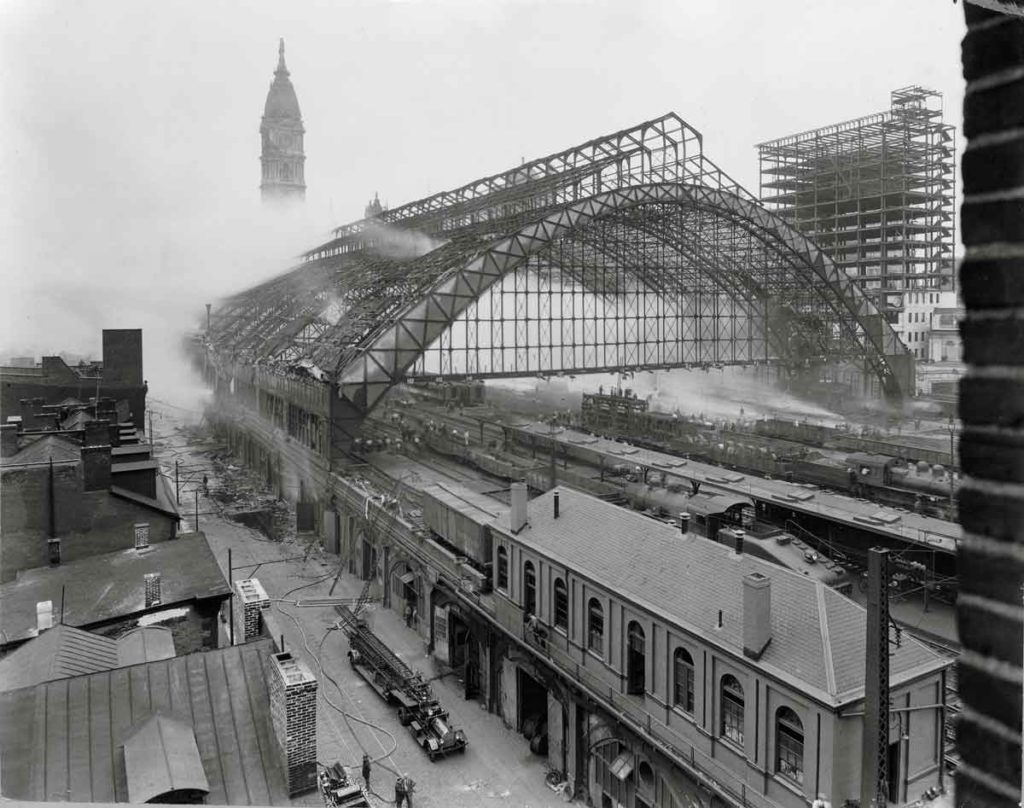
The Pennsylvania’s giant Broad Street Station in Center City Philadelphia suffered a major fire on June 11, 1923. Train service was quickly restored, but the 16-track trainshed had to be removed. PRR photo […]
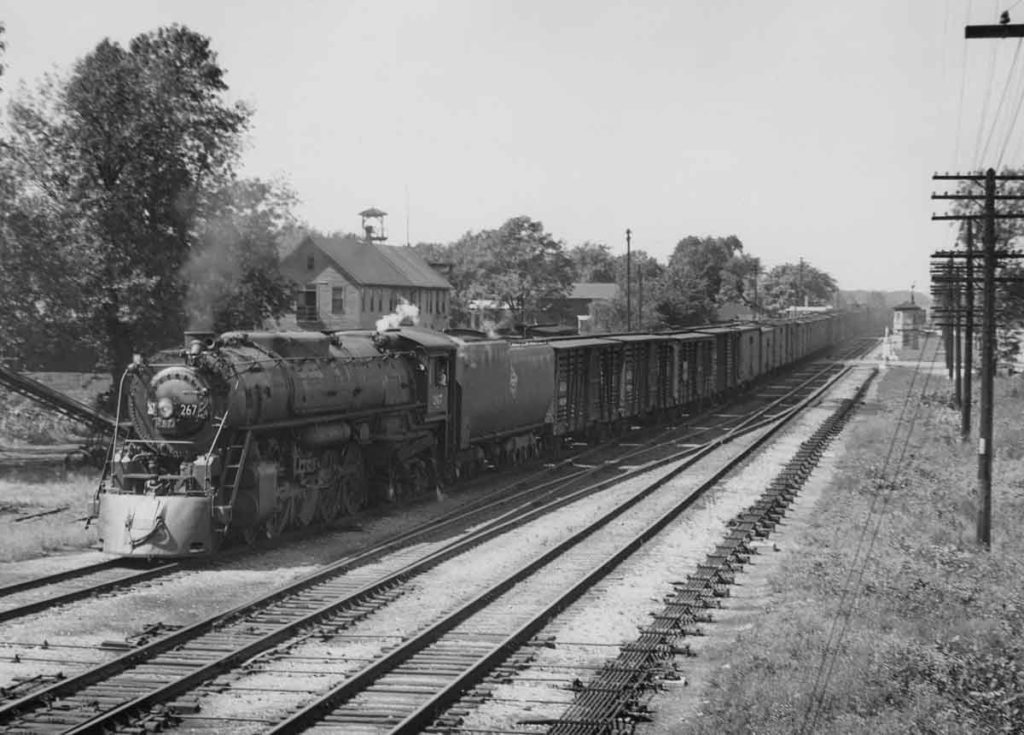
Milwaukee Road class S3 Northern 267 rolls stock and refrigerator cars east at Bensenville, Ill., in the 1940s. The 4-8-4 is one of 10 built by Alco for MILW in 1944; sister 261 was restored for excursion service in 1993 and still runs out of Minneapolis. Classic Trains collection […]
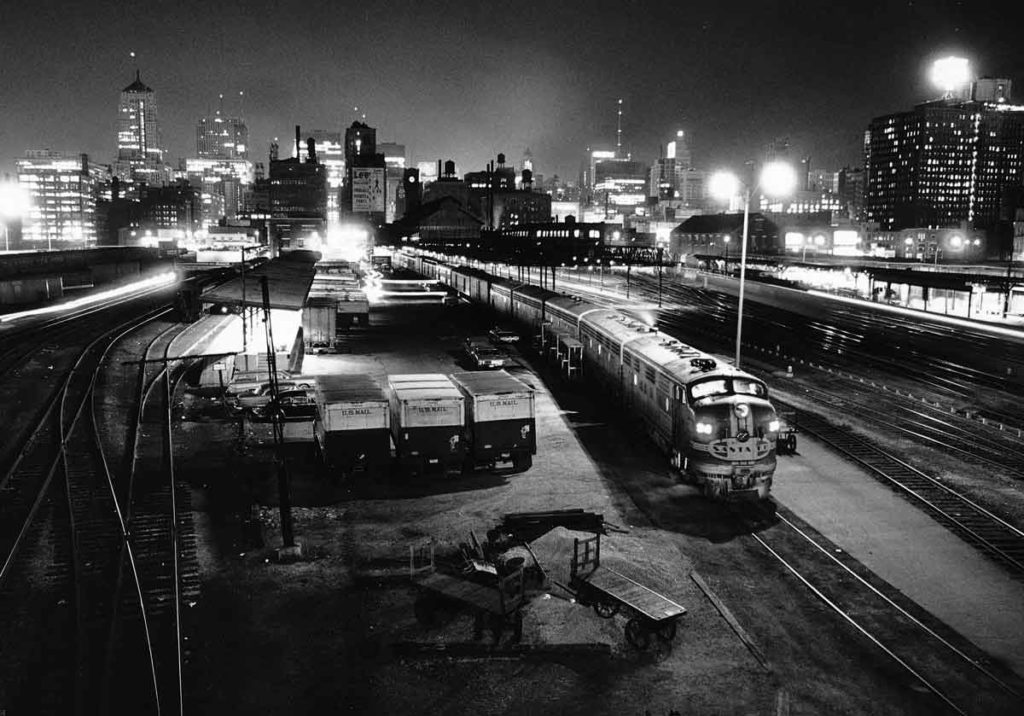
Santa Fe’s Kansas City Chief, the top overnight train to its namesake city, awaits departure time at Chicago’s Dearborn Station in the mid-1960s. Jim Boyd photo […]
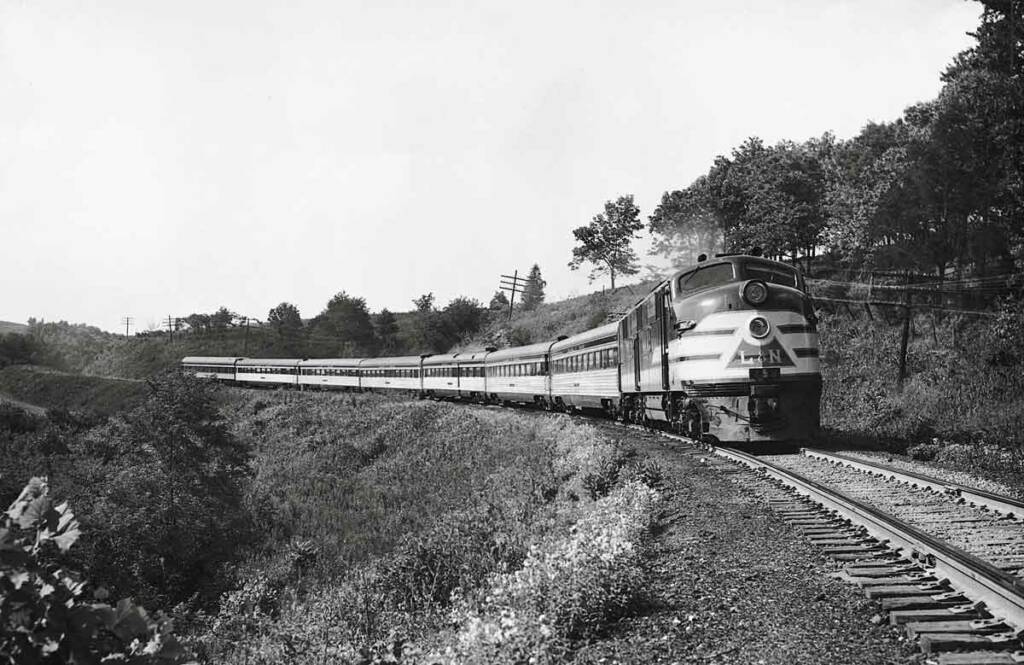
U.S. railroads introduced long-haul luxury coach trains in the 20th century to attract a more budget-conscious traveler. In the late 1930s and early 1940s, the worst of the Great Depression in the U.S. was over, and railroads began to invest in new passenger equipment; both new diesel motive power, and a radical new […]
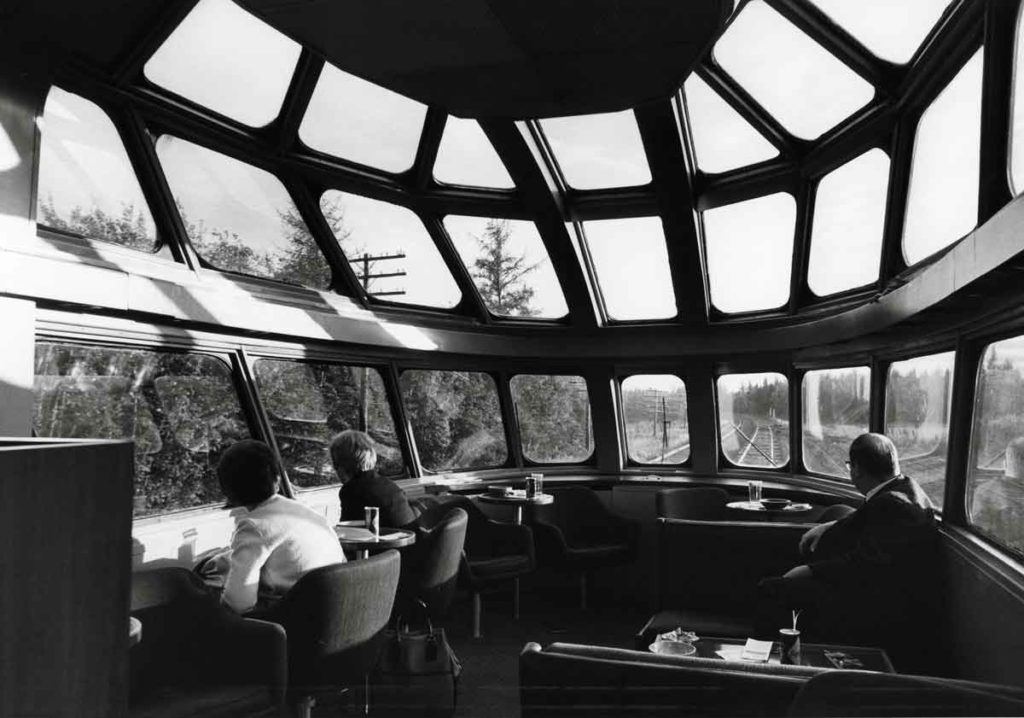
Passengers on Canadian National’s Scotian between Montreal and Halifax, Nova Scotia, enjoy the view from one of CN’s “Skyview” sleeper-observation cars in September 1967. Built by Pullman-Standard for the Milwaukee Road’s Olympian Hiawatha, the six “Skytop” cars, as MILW called them, were sold to CN after the Olympian Hi was discontinued. George G. Weiss photo […]
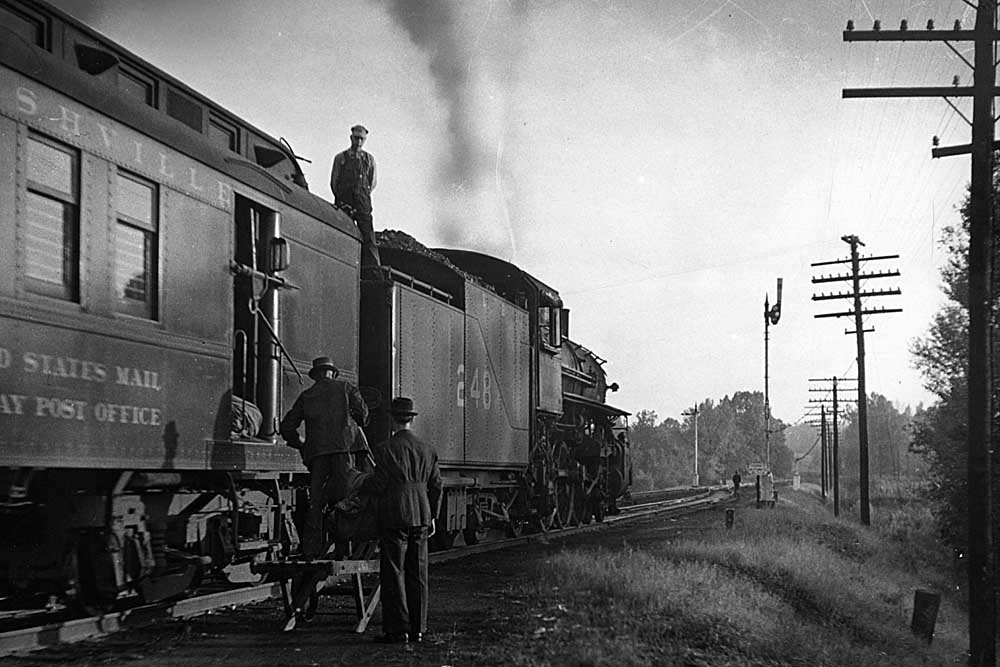
Railroad tell-tales At one time, railroad tell-tales were placed along the track on either side of low structures such as bridges and tunnels to warn crew members on top of the cars that they could not remain in a standing position while passing under the structure. Before the adoption of the air brake, and for […]
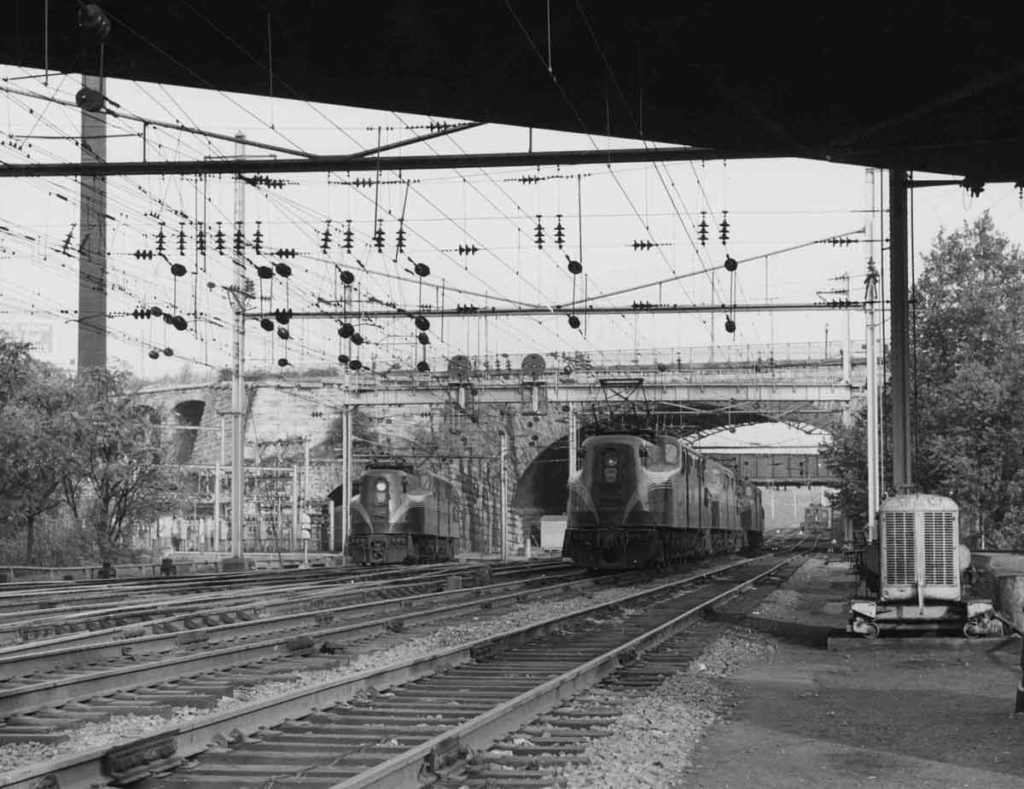
Just south of the Pennsylvania Railroad’s Baltimore station in September 1954, GG1 4875 emerges from the B&P Tunnel with a Washington–New York mail and express train as three sister Gs wait to forward Northern Central passenger trains down to Washington. Beyond the waiting Gs, under the Baltimore & Ohio’s plate-girder bridge, Pennsy P5b 4702, the […]
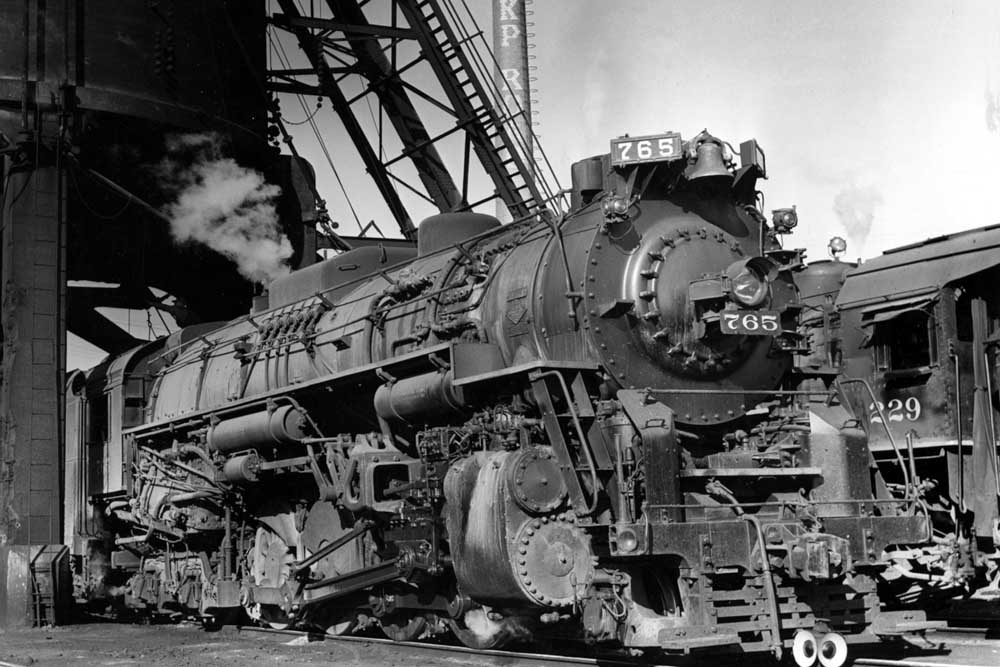
Is railroad preservation in ascendance, marked by a succession of triumphs in recent years? Or are we whistling past the wrecking ball and the acetylene torch? Is the glass half full, or half empty? The stars of a new podcast might answer “both.” Launched a few weeks ago with the title “Ahead of the Torch” […]
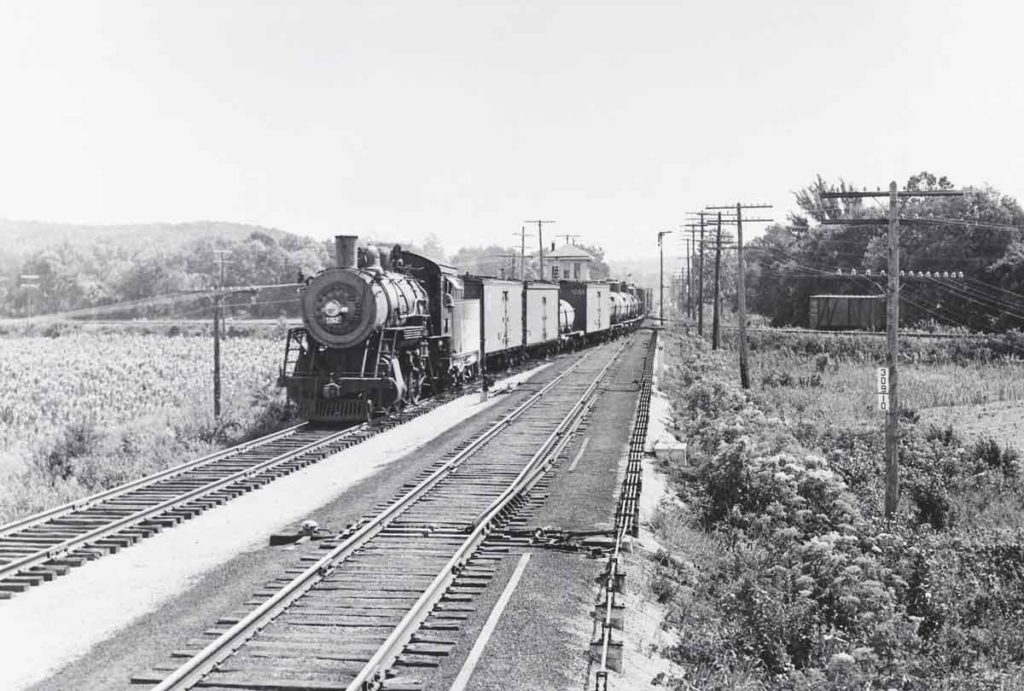
High-mounted St. Louis-San Francisco 2-8-0 1262 heads into a siding with a freight at Neosho, Mo., in 1934. The tower in the background and split-rail derail in the foreground protect the Frisco’s crossing with a Kansas City Southern line. Harold K. Vollrath collection […]
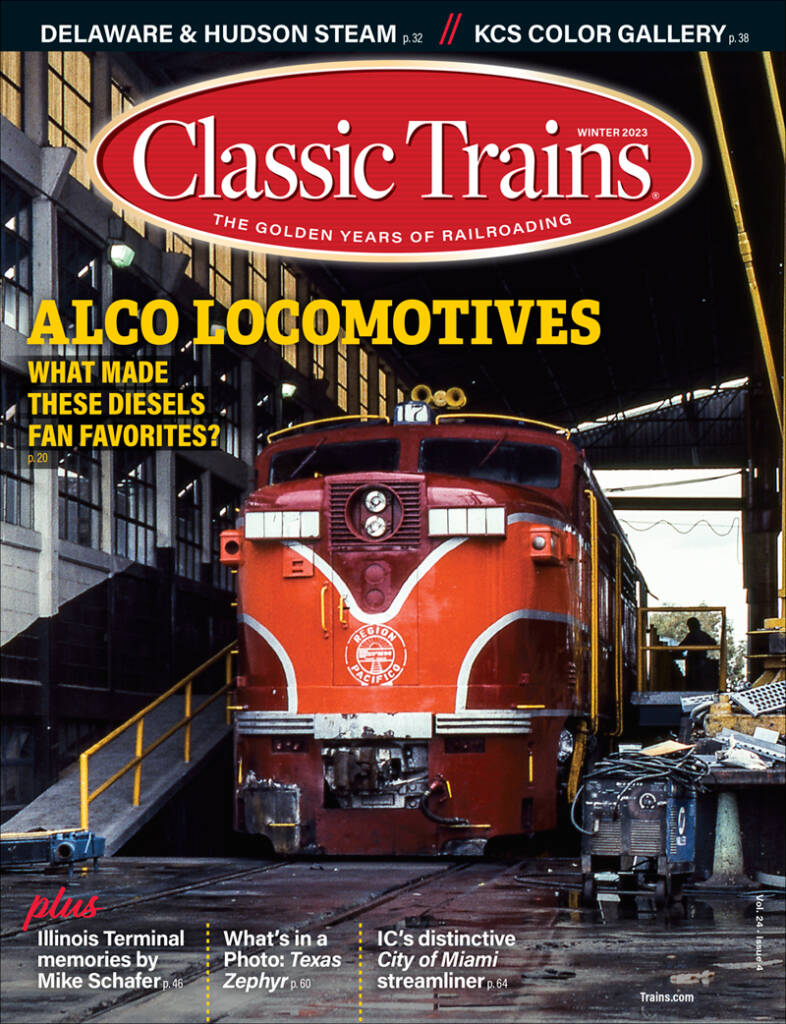
Welcome – Growing up Alco Head End – A potpourri of railroad history, then and now Fast Mail – Letters from readers on our Fall 2023 issue Mileposts – Commentary by Kevin P. Keefe True Color – Pike’s Peak in the sun Sequence – Soo Line study at Sussex Car Stop – Edmonton, Calgary, and […]
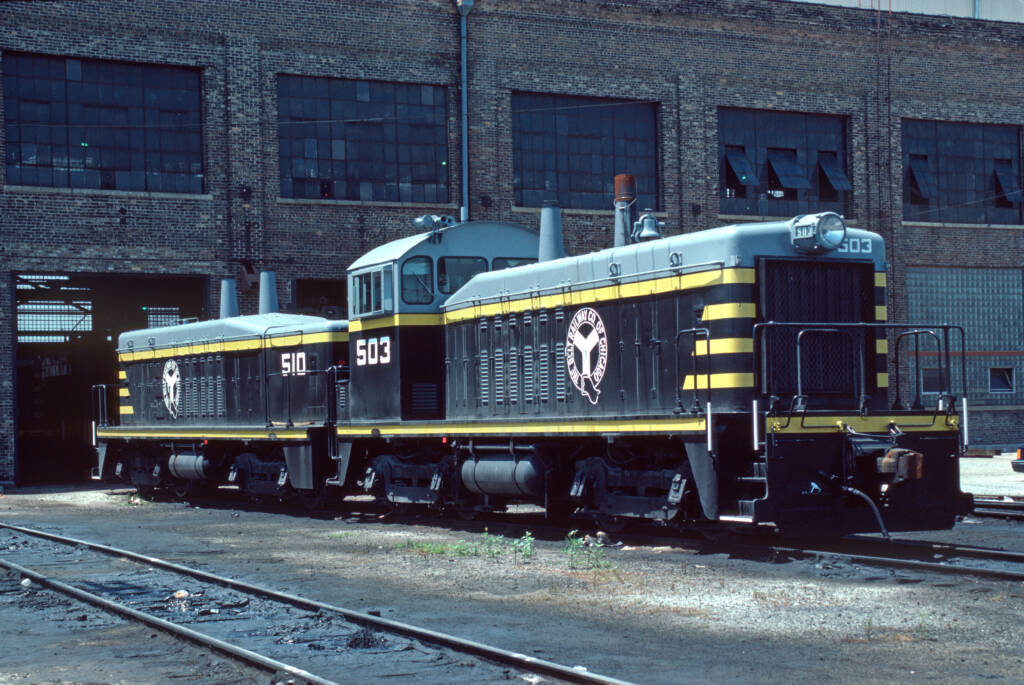
Transfer locomotives Transfer runs are trains that move cars from one freight yard usually to a nearby yard of another railroad (but not always). Early in dieselization, three of the major builders marketed locomotives built specifically for such service, called transfer locomotives, which demanded a lot of pulling power but not much speed. Transfer units […]
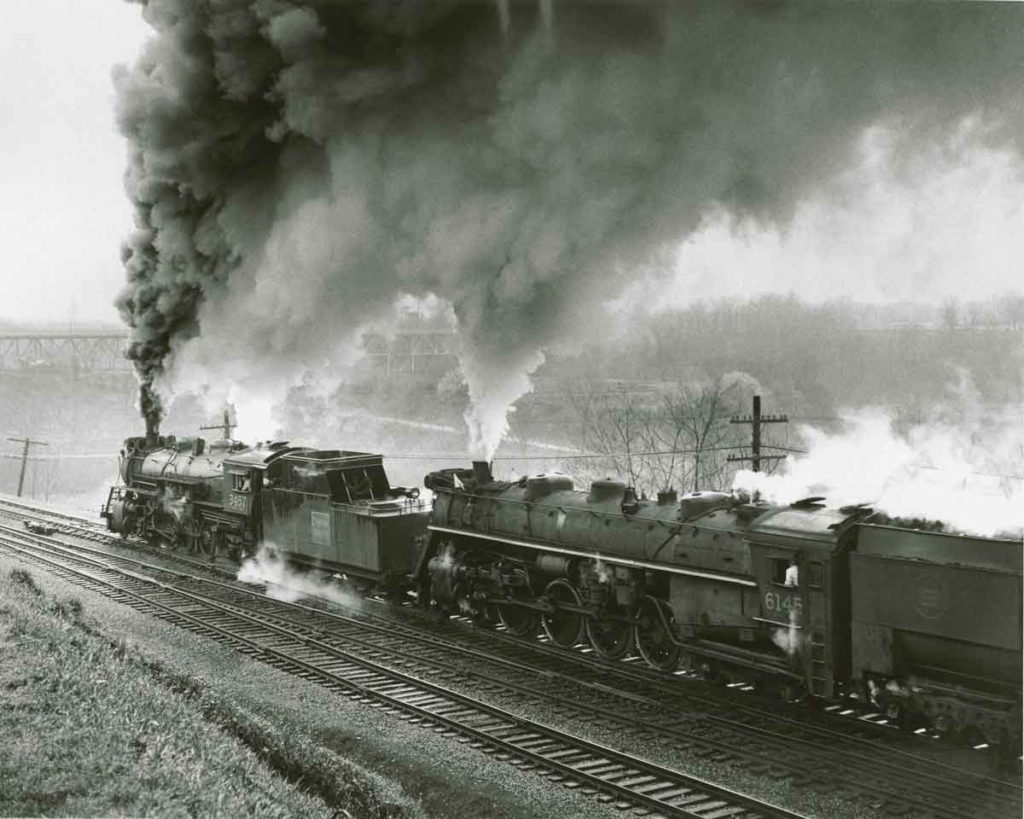
Canadian National 2-8-2 3457 helps 4-8-4 6145 move a Hamilton–Toronto freight through the junction at Bayview, Ont., in May 1958. Philip R. Hastings photo […]
